




Abrasive Wheels Explained: Your Go-To Guide for Safety, Certification, and Training in the UK
Abrasive wheels are an integral part of various industries, including construction, manufacturing, and metalworking. These wheels remove material through grinding, cutting, or polishing, paving the way for a plethora of essential applications. Given the potential risks involved, a thorough understanding of abrasive wheels is crucial for maintaining safety and compliance in the workplace.
What Are Abrasive Wheels?
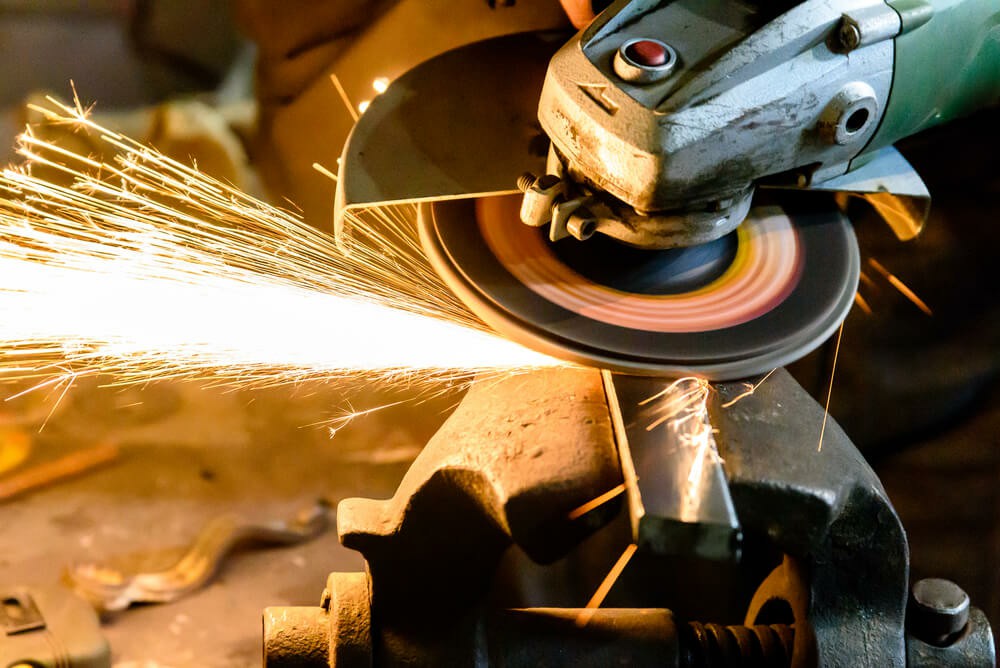
Abrasive wheels are tools used in machinery such as angle grinders, bench grinders, and cut-off saws. They are composed of abrasive materials, which can either be natural or synthetic, bonded together in a circular shape. Their primary function is to grind, cut, or polish materials, primarily metals and plastics.
Types of Abrasive Wheels
- Grinding Wheels: Used for grinding and sharpening metal tools.
- Cut-off Wheels: Designed for cutting through hard materials.
- Flap Discs: Ideal for surface finishing and blending.
- Diamond Wheels: Typically used for hard materials like stone and concrete.
Common Risks Associated with Abrasive Wheels
While abrasive wheels are invaluable, they come with risks that can lead to severe injuries or accidents:
- Wheel Breakage: If a wheel shatters during operation, it can send shards flying at high speeds.
- Improper Handling: Misusing machinery or neglecting safety protocols may lead to injuries.
- Lack of Personal Protective Equipment (PPE): Failure to wear safety gear increases vulnerability to accidents.
Precautionary Measures
To mitigate risks, proper training and implementation of safety measures are vital:
- Always inspect wheels before use.
- Ensure the correct wheel is used for the right job.
- Wear appropriate safety gear, including goggles, gloves, and hearing protection.
- Follow manufacturer guidelines for machine operation.
Legal Requirements for Abrasive Wheels in the UK
In the UK, compliance with safety regulations surrounding abrasive wheels is mandated by the Safety, Health and Welfare at Work Regulations. Employers must ensure employees undergo comprehensive training to handle abrasive wheels safely. This includes a risk assessment and an understanding of operational procedures and maintenance.
Abrasive Wheels Certification: Why It's Essential
Obtaining an Abrasive Wheels Certificate enhances workplace safety, enforces compliance with health regulations, and directly benefits career opportunities:
- Enhances Safety: Trained employees are less likely to suffer injuries, creating a safer work environment.
- Ensures Compliance: Certification demonstrates that an organization adheres to industry safety standards.
- Improves Career Opportunities: Certified professionals are more attractive to employers seeking skilled workers.
Training Options for Abrasive Wheels
Individuals seeking certification can choose various training options:
- Abrasive Wheels Course London: Comprehensive training on safety and operation in London.
- Abrasive Wheels Training Manchester: Personalized training sessions focusing on compliance and safety in Manchester.
- Abrasive Wheels Certification Birmingham: A certification course located in Birmingham for skilled workers.
- Abrasive Wheels Online Course: Flexible online options covering mandatory safety practices.
Certification Process
To obtain your Abrasive Wheels Certificate, follow these steps:
- Enroll in a certified training course.
- Complete the necessary coursework and practical assessments.
- Pass the evaluation to receive your certification.
- Maintain awareness of ongoing training and refresher courses as needed.
Case Studies: Real-World Impacts of Certification
Businesses across the UK have reported a significant decrease in accidents and liability claims post-certification. For instance, a manufacturing plant in Liverpool noted a 50% reduction in abrasive wheel-related injuries after implementing certified training for their staff.
Conclusion
Investing in certified abrasive wheels training is not just a legal obligation; it’s a commitment to creating a safe workplace. From London to Leeds, businesses must recognize the value of adequate training and certification in protecting their employees and improving operational efficiency.
For more information on our Abrasive Wheels Course or to register, contact us at info@the UK-safetytraining.com.