



Exploring the Various Types of Abrasive Wheels: Applications, Risks, and Safety Training in the UK
Abrasive wheels are essential tools in various industries, including construction, automotive, and manufacturing. Understanding the different types, their applications, and associated risks is vital for maintaining workplace safety. This comprehensive guide discusses the types of abrasive wheels, their applications, the hazards they present, and how proper training can mitigate risks. Whether you’re in London, Manchester, Birmingham, Liverpool, or beyond, ensuring compliance with British safety regulations is crucial.
Types of Abrasive Wheels
Abrasive wheels can be classified into several key categories:
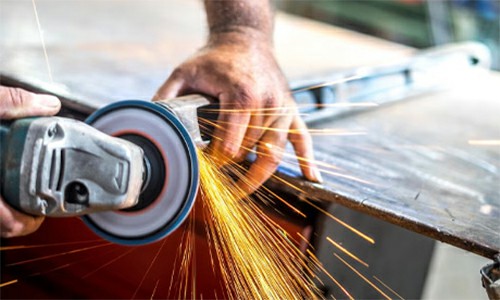
- Grinding Wheels: Used primarily for metalworking, grinding wheels are designed to remove material from a workpiece through friction. Available in various shapes and sizes, they are used in both low-speed and high-speed operations.
- Cutting Wheels: These wheels are engineered for cutting various materials, including metal, masonry, and plastics. They are typically thinner than grinding wheels, allowing for precise cuts with minimal material loss.
- Polishing Wheels: Polishing wheels are used for achieving a fine finish on surfaces. They often utilize a softer material and are used with compounds to enhance the luster of metals and other materials.
- Dressing Wheels: Specially designed for truing and sharpening the edges of grinding wheels, dressing wheels help maintain performance and ensure operator safety.
Abrasive Wheels Applications
The applications of abrasive wheels are vast, impacting various sectors:
- Construction: In construction sites across the UK, abrasive wheels are used for cutting and shaping materials like concrete, brick, and metal.
- Automotive: In automotive workshops in cities like Manchester and Birmingham, these wheels are crucial for grinding, cutting, and polishing automotive parts.
- Manufacturing: Manufacturers in Liverpool and Leeds use cutting and grinding wheels for machining processes, tool sharpening, and finishing.
Identifying Risks Associated with Abrasive Wheels
While abrasive wheels are invaluable, improper use poses several risks:
- Wheel Breakage: If mounted incorrectly or if the wrong wheel is used, abrasive wheels can shatter, leading to severe injuries.
- Overheating: Excessive use can cause wheels to overheat, resulting in reduced performance and potential failure.
- Improper Mounting: Incorrectly mounting wheels can result in balance issues, which further increase the risk of breakage and operator injury.
The Importance of Proper Training
Proper training and certification for handling abrasive wheels cannot be overstated. Here's why:
- Safety Knowledge: Training equips workers with essential knowledge about the hazards associated with different types of abrasive wheels.
- Skill Development: Practical training helps improve skills in mounting, using, and maintaining abrasive wheels safely.
- Regulatory Compliance: With training in compliance with British safety regulations, businesses avoid potential legal issues.
Abrasive Wheels Training in Major British Cities
Cities like London, Manchester, Birmingham, Liverpool, and Leeds offer various opportunities for certified abrasive wheels training. Courses cover:
- Abrasive Wheels Safety Course Liverpool: Focusing on safe practices for using abrasive wheels.
- Abrasive Wheels Course London: Comprehensive training focusing on both theory and practical application.
- Abrasive Wheels Certification Birmingham: Ensuring compliance with safety regulations.
Conclusion
Understanding the different types of abrasive wheels, their applications, and the associated risks is crucial for workplace safety. Proper training is vital for ensuring that operators are equipped to use these tools safely and effectively. Enroll in a certified abrasive wheels training course today to help foster a safer work environment in London, Manchester, Birmingham, and Liverpool.
For more information or to schedule a course, reach out to us at info@the UK-safetytraining.com or visit our site for more courses on Abrasive Wheels courses.